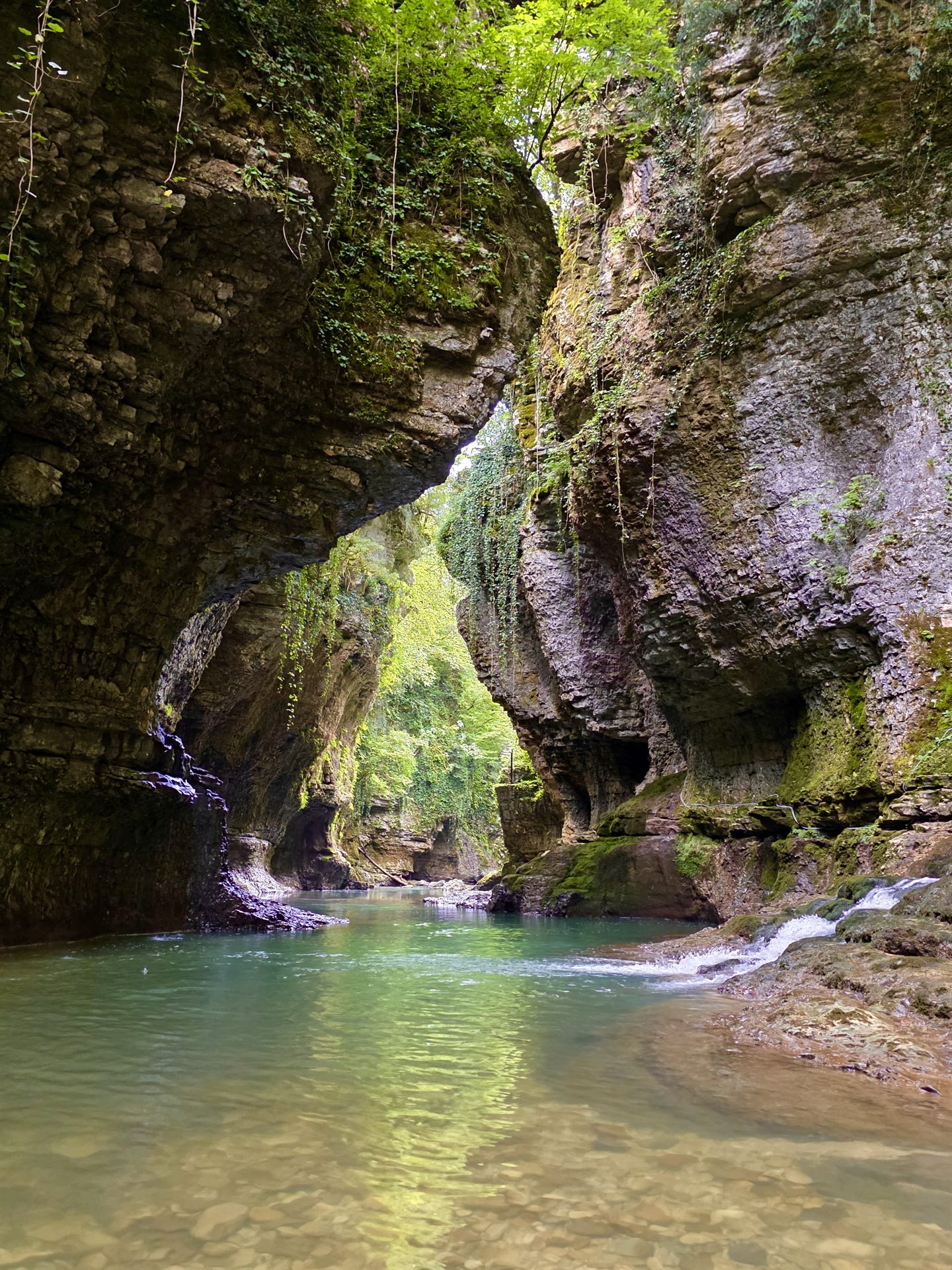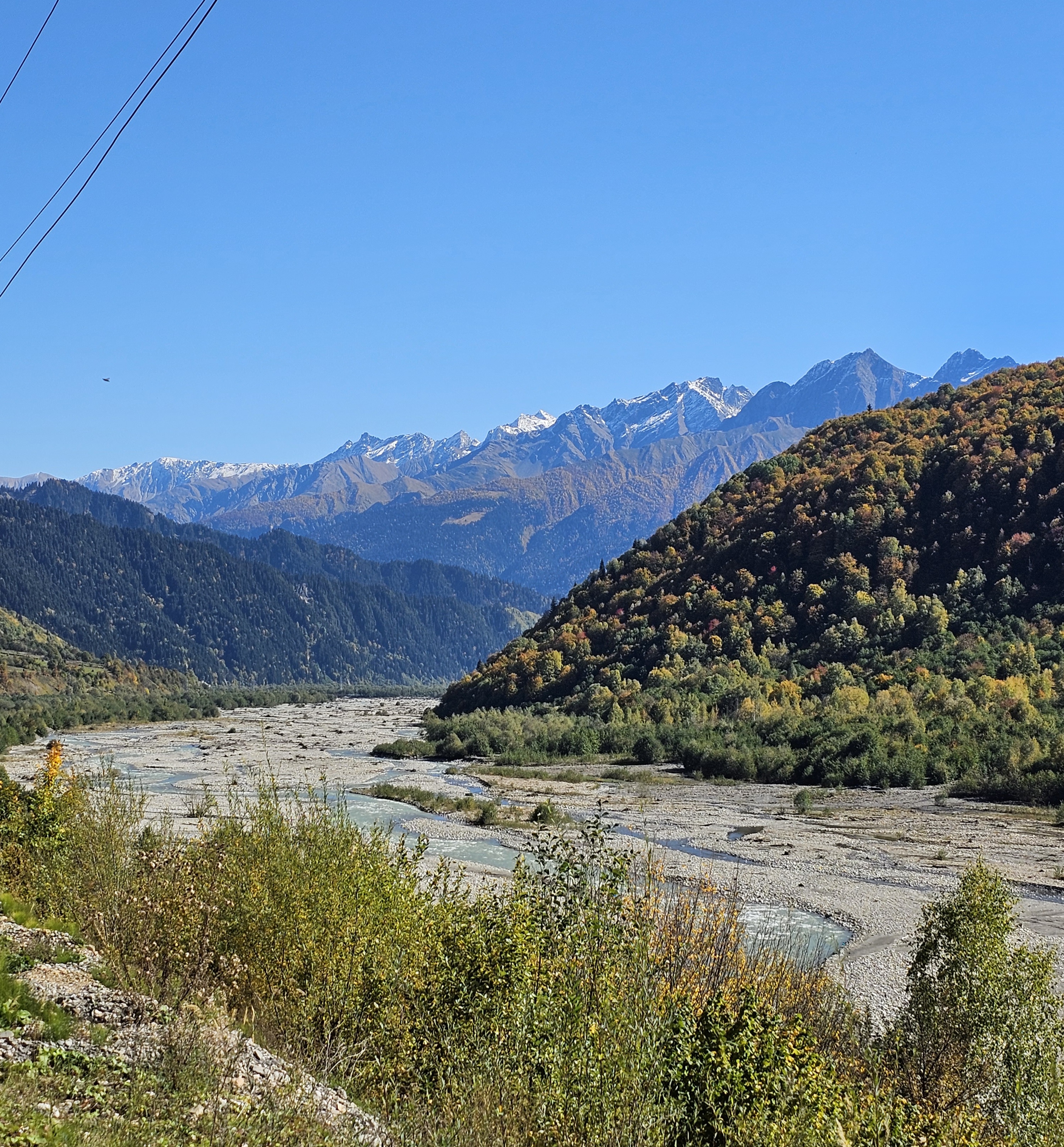
Racha is one of the most beautiful regions of Georgia. Over three days the journey reveals the region much more deeply: high-mountain villages, ancient monasteries, natural panoramas and the winemaking traditions this part of the country is famous for.
The route runs through remote areas of Racha, rarely reached by ordinary travellers. The trip is accompanied by a certified Georgian guide who shares the history of the region, the legends of the mountain villages and the traditions of winemaking. Over three days the journey feels like a true immersion in mountainous Georgia.
On the first day we leave Batumi for Racha. Along the way the region's mountain landscapes gradually open up, and the first major point is the Nine Crosses mountain. The walking climb (900 m) goes through the forest and leads to the summit, where the Church of St. George and nine crosses stand, at which, by tradition, people make wishes.
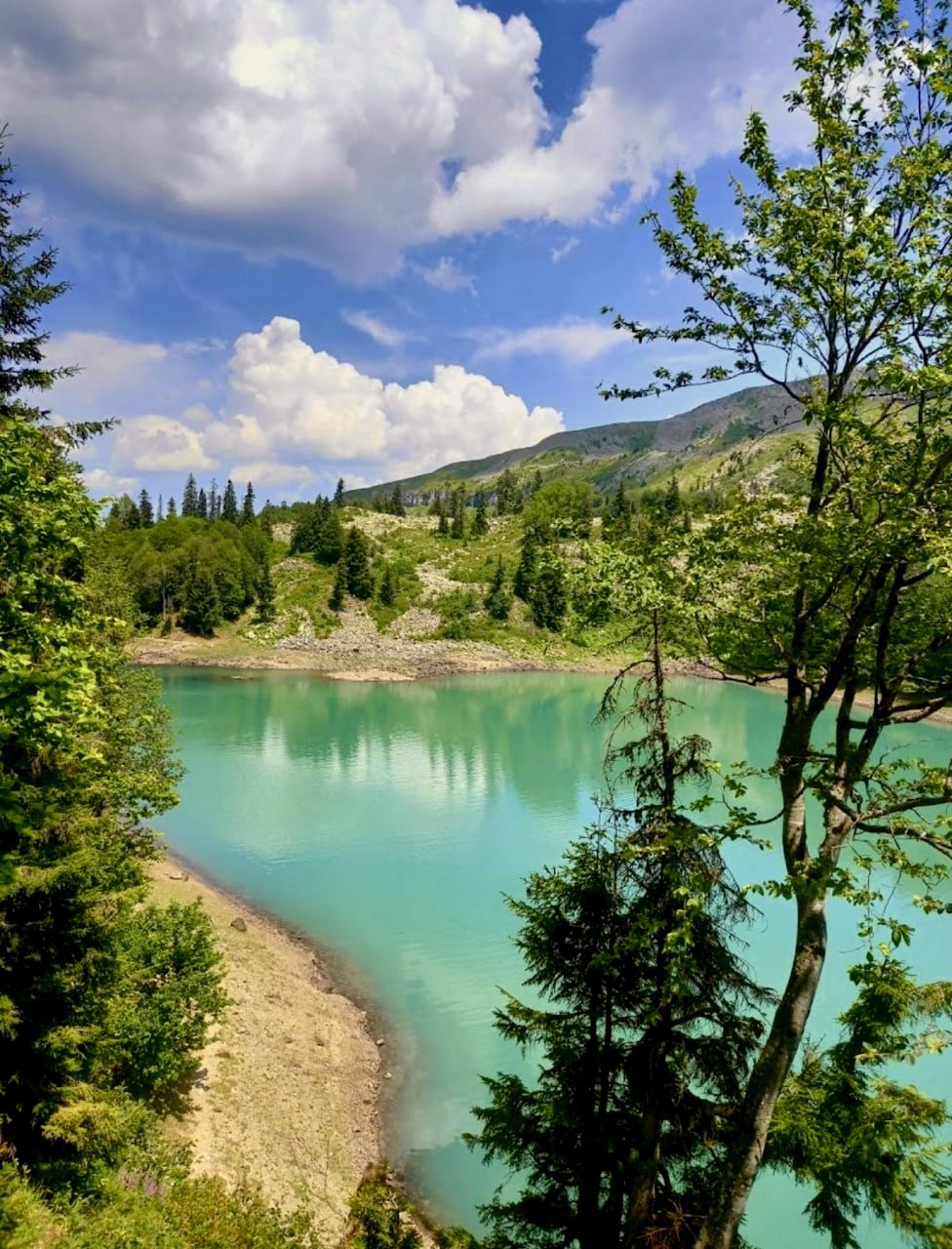
After this we continue on through Shaori Lake, the Nikortsminda church and the Heart Waterfall. The day ends in the village of Khvanchkara, where we get acquainted with the region's winemaking tradition and visit a family cellar.
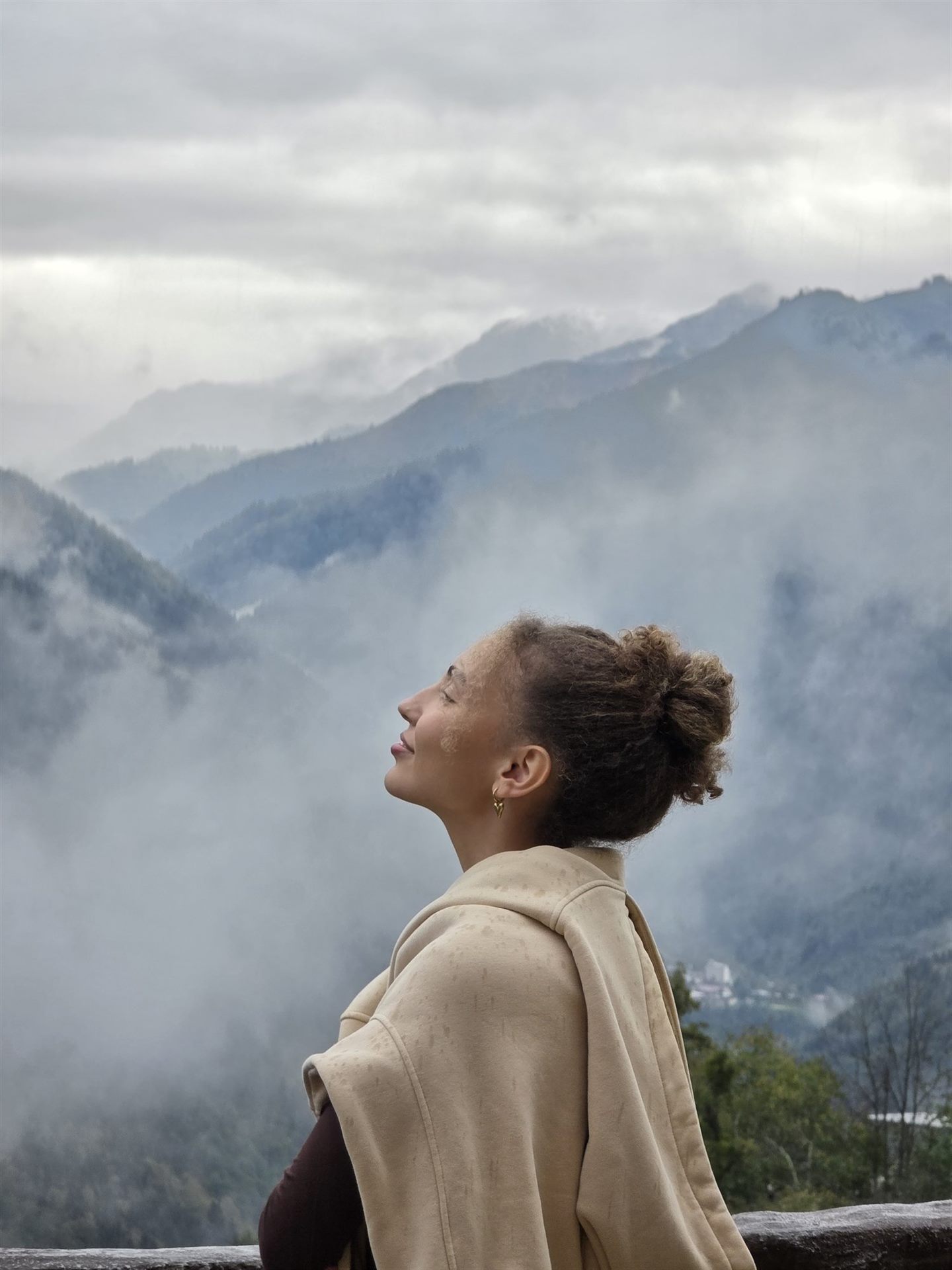
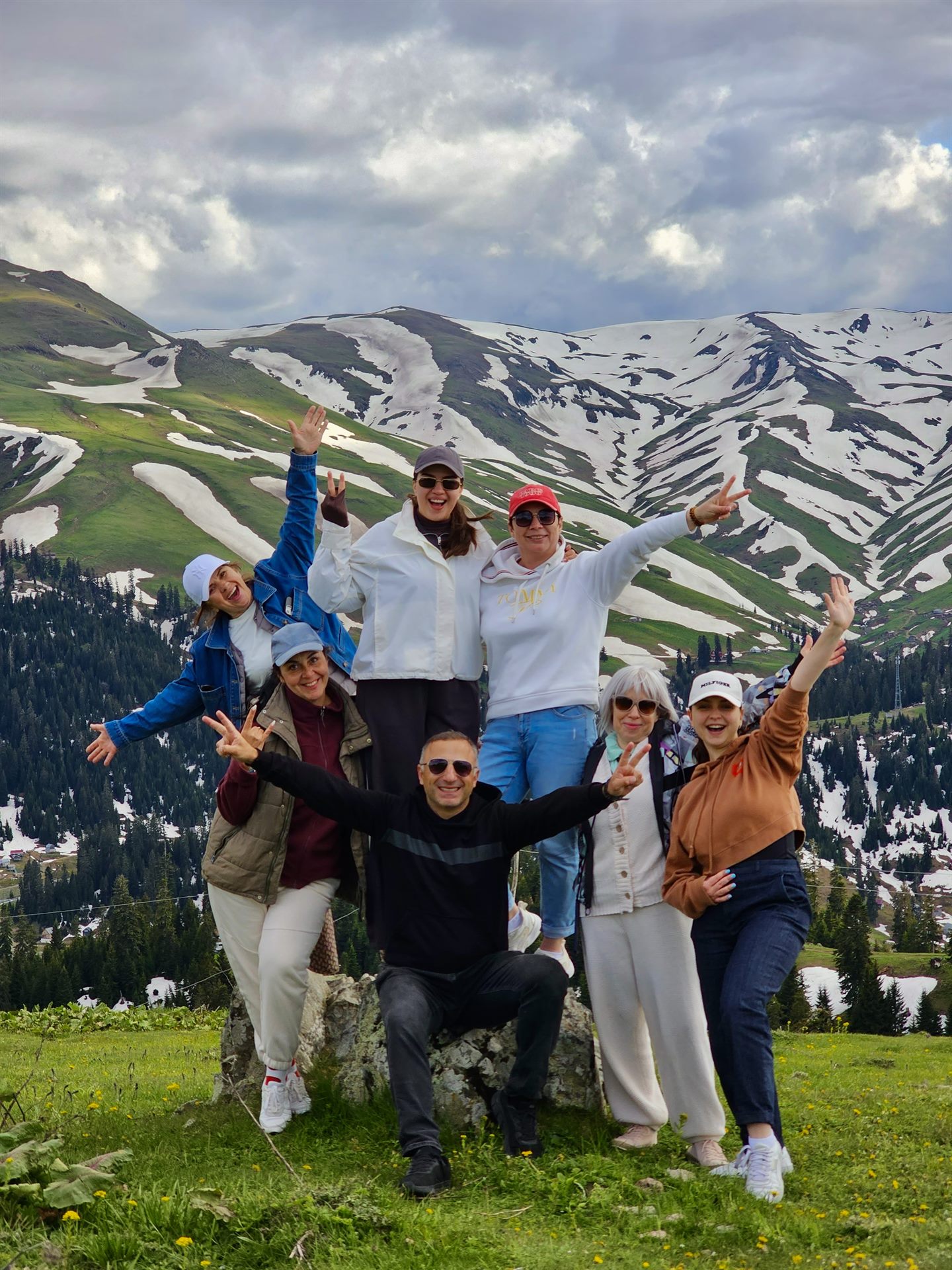
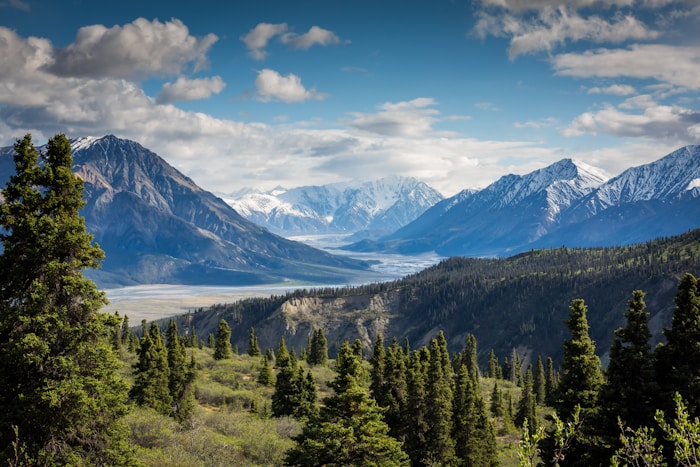
On the second day we set off for the high-mountain part of Racha. The road runs through the Oni area, where wide panoramas of mountains and forests open up. Along the way we stop at the mineral spring in Utsera, and then climb up to the mountain villages of Gebi and Gona.
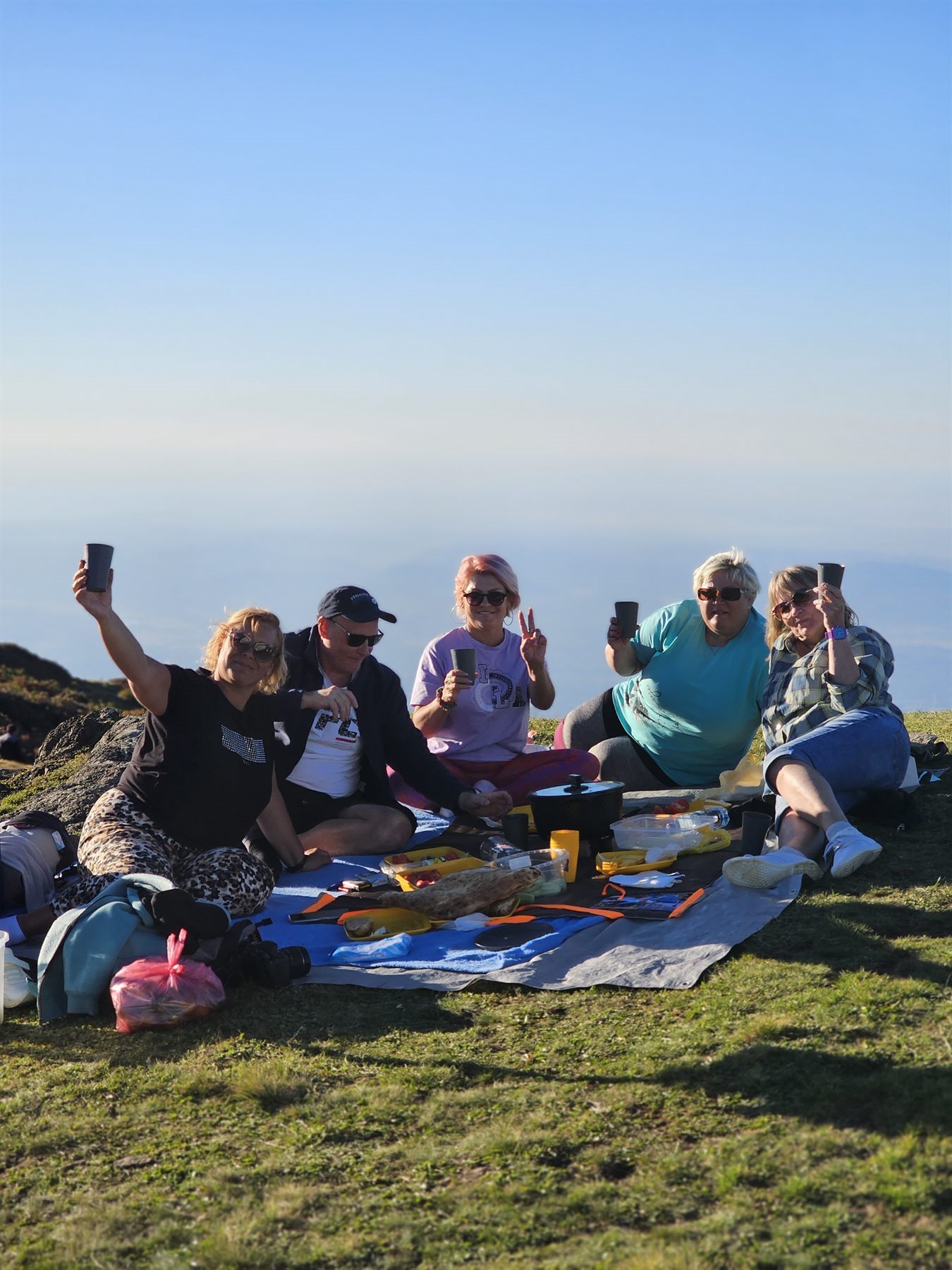
This is one of the most beautiful and peaceful days of the route, where the space of mountainous Racha is felt especially strongly. In the village of Gona we have a picnic amid high-mountain scenery.
The third day is devoted to the natural and historical sites of Racha. Along the way we visit the Sairme Pillars and then head to the village of Lailashi, one of the region's most interesting historical places, where an old Jewish synagogue has been preserved and views of the Lajanuri hydropower plant open up.
After this we continue on to the Gvirishi Waterfall. This day ends the journey at a calm pace and with an acquaintance with yet another side of Racha — historical and natural.